What To Expect
A skylight repair or replacement moves fast once the contractor is on site, but the timeline and the disruption depend on what needs to happen and how well you prepare.
The first call to a contractor
When you call, have a photo or clear description of where the leak shows up inside. A contractor will ask whether water appears during rain, during melting snow, or both. They will ask whether it is water pooling on the ceiling or dampness in the wall. The more specific you are, the faster they can estimate the work.
Most contractors will schedule a site visit to inspect the skylight from above and inside. During that visit, they are looking at the frame, the flashing, the condition of the glass or acrylic, and the caulk or sealant around the perimeter. That inspection typically takes 30 to 45 minutes on a single installation.
Once the inspection is done, they will give you an estimate in writing. It should spell out the scope of work (seal, flashing repair, or replacement), the materials they will use, the timeline, and the total cost. Some contractors offer multiple options if the situation allows for either a repair or a replacement.
Steps through the repair or replacement
Before work begins: prepare the interior and roof access
You will need to clear the space under the skylight inside so the contractor can move freely if water or debris falls during the work. Move furniture and cover anything below with tarps or drop cloths. On the roof, the contractor needs a clear path and safe footing. Trim tree branches that overhang the roof, and make sure they have a safe way to get to the skylight from your roof access point.
The inspection from above and measurements
Once on the roof, the contractor will measure the skylight opening and the condition of the roof around it. They are looking at how the flashing is positioned, whether the caulk is cracked or missing, and whether there is visible damage to the frame. This stage takes most of the first 1 to 2 hours of work.
Removing the old sealant or flashing
If the work is a re-seal, the contractor will scrape away the old caulk around the perimeter. If the flashing needs replacement, they will remove fasteners and carefully pry the old flashing out without damaging the roof material underneath. This is skilled work and takes time to do right.
Installing new flashing or applying fresh sealant
For a flashing repair, the new flashing slides under the roof shingles above the skylight and sits on top of the shingles below. It is fastened and then sealed. For a re-seal, the contractor cleans the surface, applies a primer if needed, and runs a continuous bead of sealant around the entire perimeter. The sealant needs to cure for 24 to 48 hours before any water exposure.
A full unit replacement: removing and installing
If the skylight unit itself is being replaced, the contractor will unbolt the old frame from inside, pry the unit up from above, and lift it clear. The opening is then cleaned, the new frame is positioned, and fasteners are secured from above. The flashing is installed, sealant is applied, and the frame is sealed to the roof. This is the most labor-intensive option and typically takes 4 to 8 hours depending on the size of the unit and the roof condition.
Cleanup and final inspection
The contractor cleans up debris, removes drop cloths, and checks the interior ceiling for any drips during the work. They will show you the finished work from both the inside and the roof. Any touch-ups or adjustments happen at this stage.

Timeline: how long it takes
A simple re-seal on a single small skylight takes 2 to 3 hours. A flashing repair takes 3 to 5 hours. A full unit replacement, especially on a pitched roof, can take a full day or more if the roof is steep, the weather is poor, or the old unit is stubborn to remove. Most contractors will complete a single skylight job in one visit unless weather interrupts the work or the roof condition is worse than the estimate allowed for.
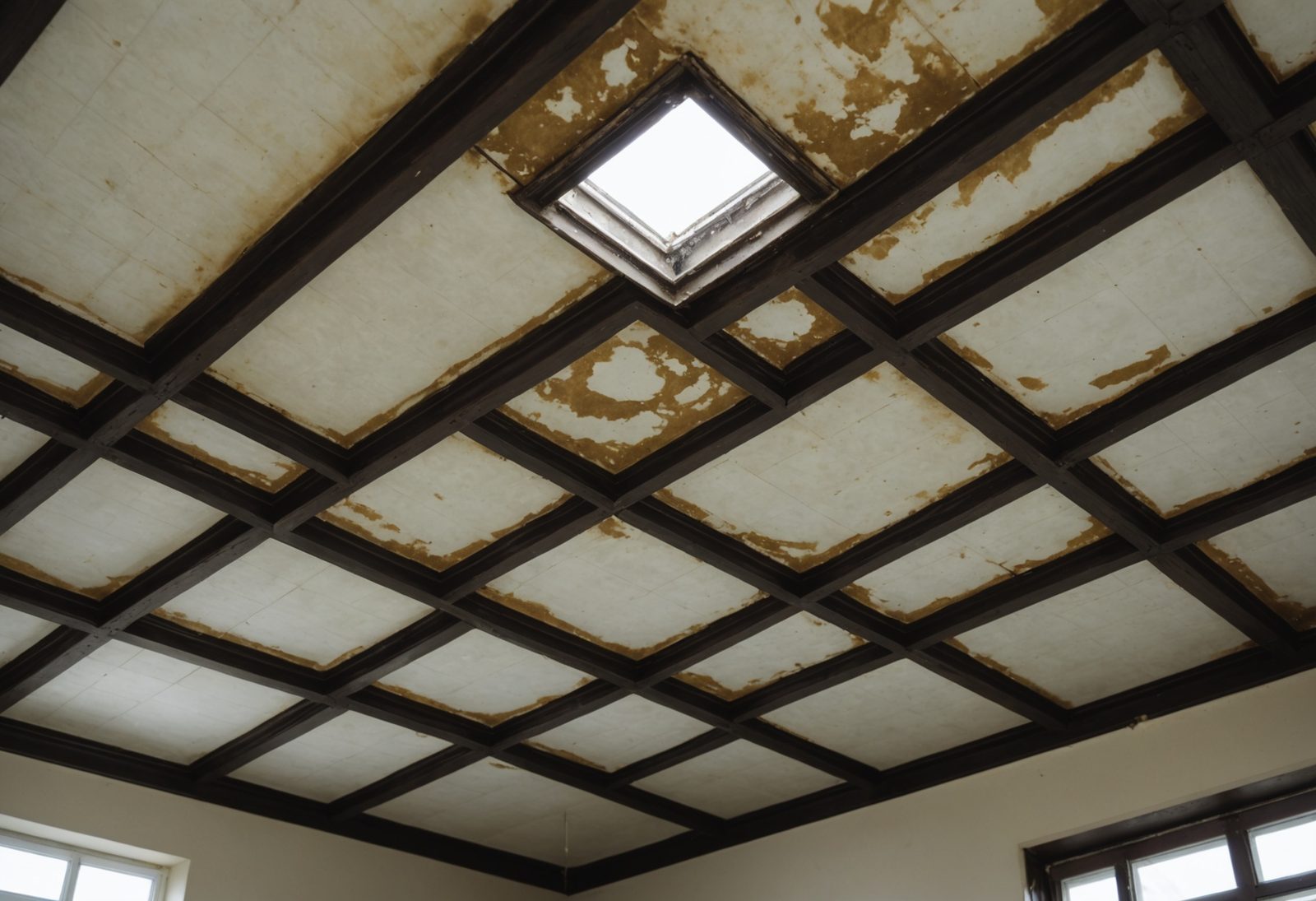
After the work is finished
Once the contractor has left, give any new sealant the full curing time before you put the space back to normal use. The contractor will tell you that time frame—usually 24 to 48 hours. Do not wash the exterior of the skylight during that period and do not subject the sealant to standing water or pressure. Watch the ceiling during the first heavy rain to make sure the repair is holding. A small amount of surface dampness that dries within an hour is often normal if the roof was very wet, but any pooling water or steady dripping means the contractor needs to come back.
What to check and document
Take a photo of the finished work from inside the home, showing the ceiling and skylight frame clearly. Take another photo of the roof, showing the flashing and the surrounding roof material. Keep those photos with your home maintenance records. If you ever need to file an insurance claim or sell the home, those photos show that the work was done and when.
Check the frame and glass inside for cleanliness. If the contractor left dust or debris inside the frame, ask them to clean it before they leave. Check the caulk around the perimeter for even coverage and no gaps. Look for any drips inside during the next rain. Most contractors stand behind their work with a one-year warranty on labor and often longer on materials, so document the date and the contractor's contact information in case issues come up later.